Ideal time to plant a bulb lasagne
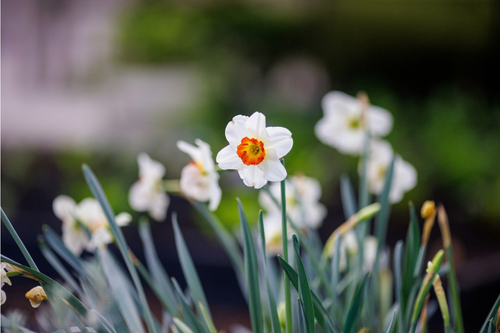
September to November is the ideal time to plant a bulb lasagne, giving you a pot that changes throughout spring.
Different spring-flowering bulbs are planted in layers, with early flowers appearing first and later varieties following as the season progresses. It’s a clever way to get more from one container, particularly on a doorstep, patio or balcony.
It’s also a great autumn activity to do with children or grandchildren. Get their little hands dirty planting the different layers, then watch as the flowers they planted begin to appear.
What bulbs should you choose?
The trick is to choose bulbs that flower at different times.
Bottom: Larger, later-flowering bulbs such as tulips
Middle: Daffodils, narcissi or hyacinths
Top: Smaller, earlier bulbs such as crocuses, muscari, snowdrops or dwarf iris
Check the flowering times when buying your bulbs so you can create a display that changes as spring progresses. You can plant them more closely in a container than you would in the ground. Leave a little room between them so they're not touching, but use enough to create a full display.
How to plant a bulb lasagne
Choose a frost-resistant container with drainage holes. If you're using a large pot, put it in position before you start as it can become surprisingly heavy once filled.
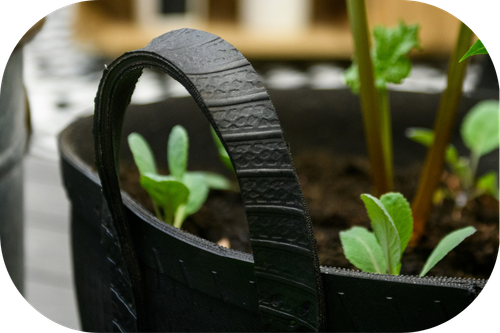
1. Start with drainage
Make sure the drainage holes are clear. A little potting grit or gravel can help prevent them from becoming blocked.
2. Add compost
Add a generous base layer of peat-free multipurpose compost.
3. Plant your first layer
Position your largest and latest-flowering bulbs, such as tulips, with their pointed ends facing upwards. Cover with compost.
4. Add the middle layer
Plant daffodils, narcissi or hyacinths, staggering their position slightly from the bulbs below. Cover with another layer of compost.
5. Finish with your smallest bulbs
Add crocuses, muscari, snowdrops or dwarf iris, cover with a final layer of compost and water well.
Ideal tip: Squirrels can be very interested in freshly planted bulbs. Cover the pot with garden netting or wire mesh while the bulbs establish, removing it when shoots begin to appear.
What happens when your bulb lasagne starts flowering?
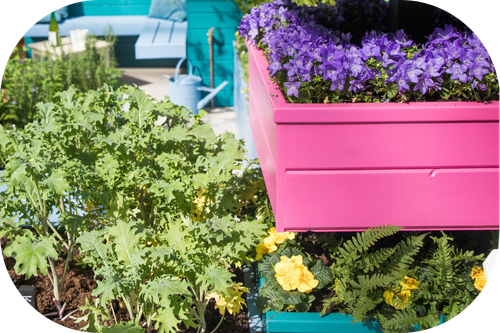
This is the fun part. A bulb lasagne isn't designed to have every flower blooming at once. Early bulbs appear first, followed by the next layer and then the later-flowering varieties. Depending on the bulbs you choose and the weather, you could have a changing display from late winter into late spring. As the first flowers fade, don't assume the show is over. There may be another layer getting ready to appear.
Will a bulb lasagne come back next year?
Some bulbs can. Daffodils, crocuses and muscari can return for several years, while some tulips can be less reliable after their first display.
Once flowering has finished, leave the foliage to turn yellow and die back naturally. You can then lift healthy bulbs and plant them elsewhere in the garden or reuse suitable bulbs the following autumn. Because a bulb lasagne packs lots of bulbs into one container, it's usually best to refresh the compost and replant rather than leaving the whole display crowded in the same pot.
Small space, plenty of spring colour
You don't need a big garden to try a bulb lasagne. One container can bring changing colour to a doorstep, balcony or patio for weeks. Plant it in autumn, then wait for the first green shoots to tell you spring is on its way.
You love flowers and want to learn a new skill? Why not book one of our wreath making workshops at the Ideal Home Show Birmingham 10-13 June 2027?